
Category: Anti-Aging
-
Can We Set the Biological Clock Back by 10 Years?

Researchers have discovered that an anti-aging gene can reverse the biological age of the heart by 10 years. The healthy mutant gene, found in many centenarians, has been shown to protect the heart against diseases associated with aging, such as heart failure. The researchers found that a single administration of the gene halted the decay…
-
Can a Protein Called NANOG Reverse Aging?

As we age, our cells undergo a process called cellular senescence, which involves a permanent arrest of cell growth and division. This process is thought to contribute to aging and age-related diseases. Skeletal muscle is a highly regenerative organ that comprises ~45% of body mass and enables skeletal movements while also regulating metabolism. In skeletal…
-
How Short Are Your Telomeres?
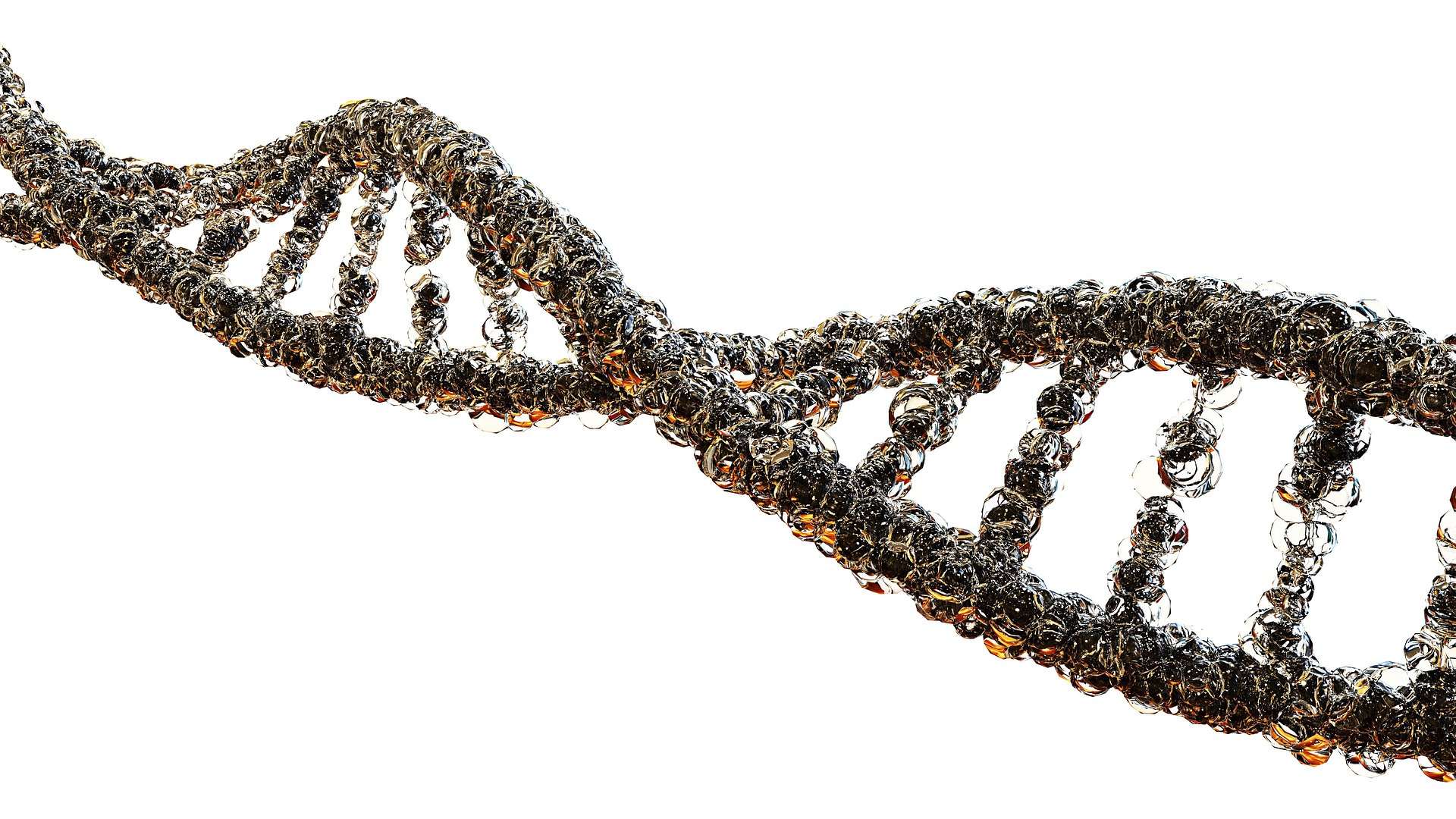
Telomere length shortens with age. According to one report, progressive shortening of telomeres can affect the health and lifespan of an individual. Shorter telomeres have been associated with increased incidence of diseases and poor survival. The rate of telomere shortening can be either increased or decreased by specific lifestyle factors. Better choice of diet and activities…
-
The Anti-Aging Effects Of GlyNAC

A pilot human clinical trial conducted by researchers at Baylor College of Medicine reveals that the supplement GlyNAC—a combination of glycine and N-acetylcysteine as precursors of the natural antioxidant glutathione—could improve many age-associated defects in older humans to improve muscle strength and cognition, and promote healthy aging. In the study, older humans taking GlyNAC for…
-
Under-The-Radar Baldness Treatment

According to a recent article in the New York Times, there is a low-cost generic prescription treatment for pattern baldness in both men and women. You may have heard of Minoxidil, which goes by the brand name Rogaine. It is used as a topical treatment, that is, you apply it directly to the scalp. A…
-
How Much Strength Training Is Optimal For Longevity?

Spending as little as half an hour each week on strength building exercises is linked to a lower risk of premature death. Researchers have been studying the effects of strength training for more than 40 years and have identified multiple ways it can benefit older adults, including maintaining muscle mass, improving mobility, and increasing the…
-
Repigmentation Of Gray Hair Documented

If you read my earlier post, you may already have known that it is possible for gray hair to return to its original color. A recent article in the prestigious New England Journal of Medicine documented a case where treatment with an unrelated medication apparently induced re-pigmentation of gray hair in a middle-aged man. According…
-
The Impact Of Increased “Cognitive Reserve”

An important concept that is crucial to the understanding of cognitive health is known as “cognitive reserve” (CR). You can think of cognitive reserve as your brain’s ability to improvise and find alternate ways of getting a job done. Your brain can change the way it operates and thus make added resources available to cope with…
-
If A Once-A-Week Pill Could Extend Your Life By 7+ Years, Would You Take It?

The drug rapamycin was discovered in the soil of Easter Island in the 1960s. According to one researcher, the overwhelming evidence suggests that rapamycin is a universal anti-aging drug—that is, it extends lifespan in all tested models from yeast to mammals, suppresses cell senescence (aging) and delays the onset of age-related diseases. Rapamycin, an inhibitor…
-
What Is “Negligible Senescence”—And Can We Achieve It?

Some animals, like tortoises and lobsters, never grow old, and learning their secrets could let humans live as long as they want. For most animals, there are three basic ways they can die: disease, injury, or old age, which is also called senescence. But a select few species are seemingly immune from aging itself, a…