
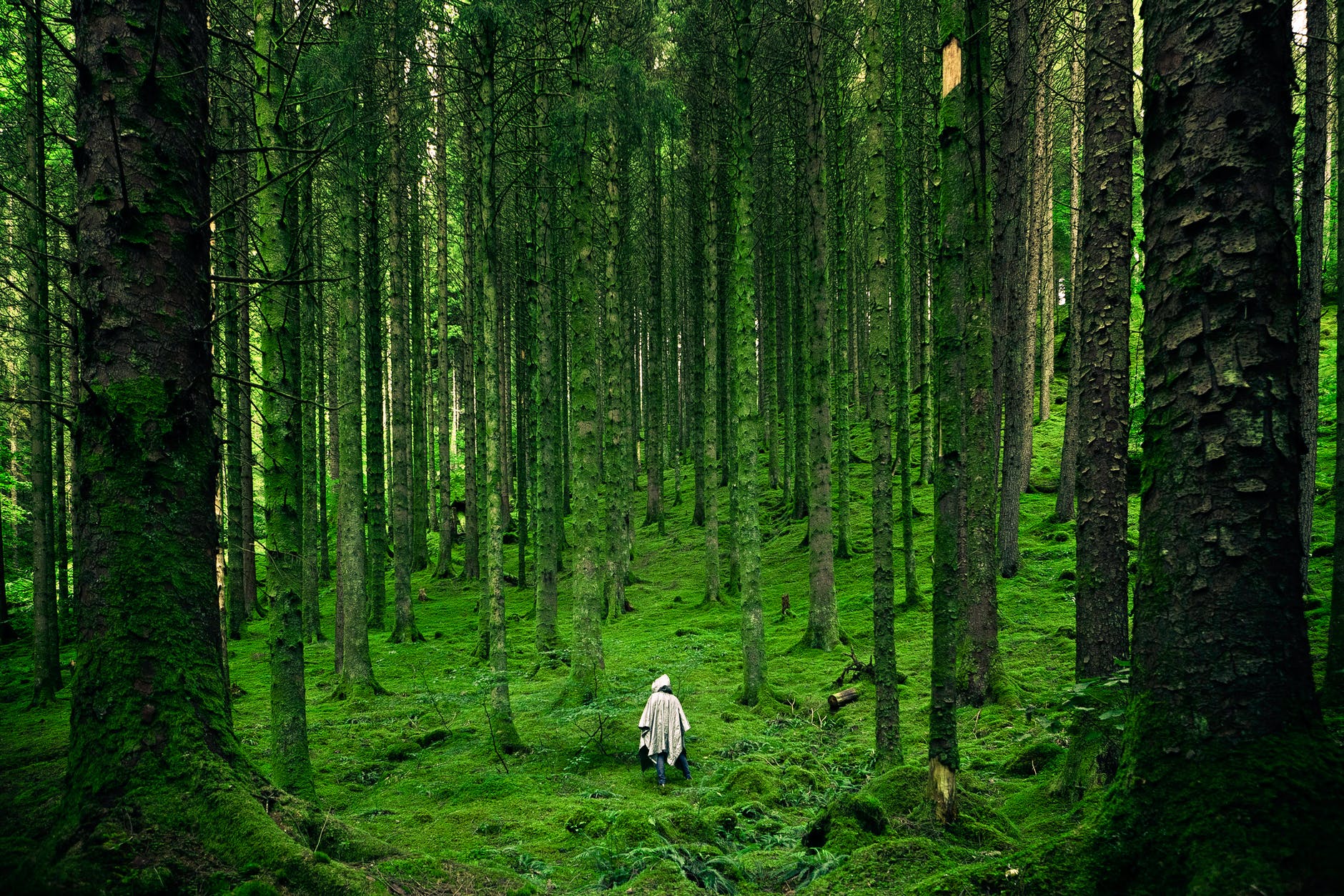
Nature relatedness has been associated with better cognitive, psychological and physical health. From protection from chronic diseases like diabetes, heart disease and obesity, to improved mental health, the benefits of spending time in the great outdoors are so great doctors are now prescribing visits to nature to their patients. And recent studies are helping us determine how often we need to be getting outdoors to reap these amazing benefits.
A growing body of scientific evidence indicates that greater exposure to, or ‘contact with’, natural environments (such as parks, woodlands and beaches) is associated with better health and well-being. While the quantity and quality of evidence varies across outcomes, living in greener urban areas is associated with lower probabilities of cardiovascular disease, obesity, diabetes, asthma hospitalization, mental distress, and ultimately mortality. Greater quantities of neighborhood nature are also associated with better self-reported health, and subjective well-being in adults.
In one study, exposure was defined in terms of the self-reported minutes spent in natural environments for recreation in the last seven days; and outcomes were self-reported health and subjective well-being. Individuals who reported spending at least 120 mins in nature in the past week had consistently higher levels of both health and well-being than those who reported no exposure. While some may prefer long walks on the weekend in locations further from home, others may prefer regular shorter visits to parks in the local area—the study found it did not matter, as long as you got your time in.
While being in nature is conducive to getting some physical exercise, it may not be strictly necessary to get some health benefits. Research into shinrin-yoku (Japanese “forest bathing”), for instance, suggested that various psycho-physiological benefits can be gained from merely sitting passively in natural versus urban settings. Moreover, physical activity conducted in nature may be more psychologically beneficial than in other locations.
Surprisingly, some research even suggests that being in nature helped improve your diet. According to one study, people with a stronger connection to nature are more likely to eat a diverse diet featuring more fruits and vegetables.
In the modern world, it is easy to get disconnected from nature. With increasing urbanization and screen time, it may seem hard to carve out activities in natural settings. Studies suggest, however, that it is important to do so for our mental and physical health and longevity. I have built my life around having a connection to nature, moving to a location that is walking distance to both a beach and forest hiking trails. While this is not practical for everyone, there is probably a park nearby where you can go for a walk, and other options—such as a lake or a hike—may be a short drive away. I strongly believe that my relation to nature has improved my mental health and helped me to be more physically active. Try to get at least 2 hours of nature time in every week—your body and mind will thank you!
Leave a Reply