
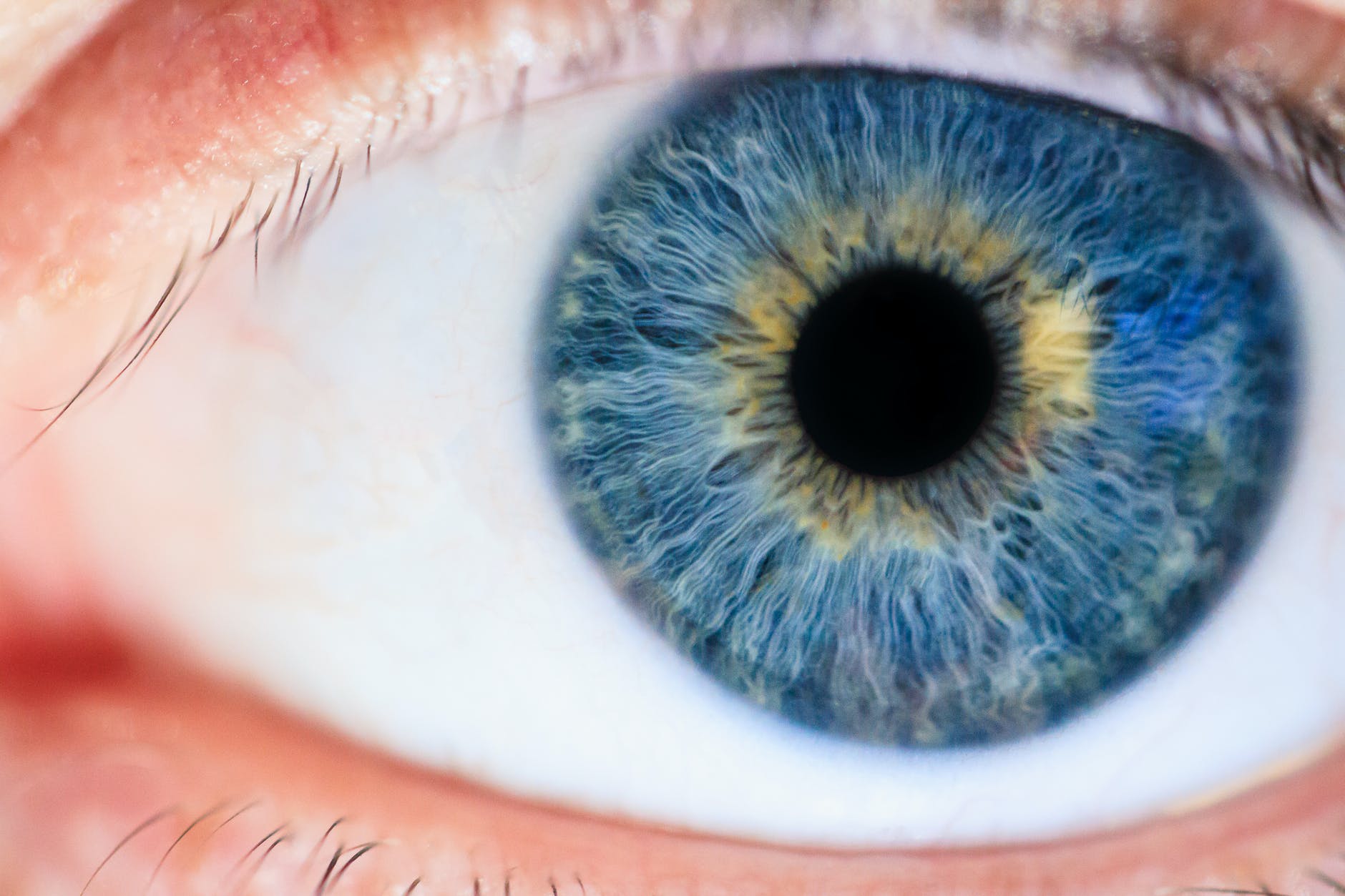
The Age-Related Eye Disease Studies established that dietary supplements can slow progression of age-related macular degeneration (AMD), the most common cause of blindness in older Americans. 11 million people in the United States have it. Risk dramatically increases after age 65. AMD is a degenerative disease of the retina, the light-sensitive tissue at the back of the eye. Progressive death of retinal cells in the macula, the part of the retina that provides clear central vision, eventually leads to blindness. AMD happens in 3 stages: early, intermediate, and late. There’s currently no treatment for early AMD. If you have intermediate AMD in one or both eyes, special dietary supplements (vitamins and minerals) may be able to stop it from turning into late AMD. There’s currently no treatment for late stage age-related macular degeneration.
The original study, launched in 1996, showed that a dietary supplement formulation (500 mg vitamin C, 400 international units vitamin E, 2 mg copper, 80 mg zinc, and 15 mg beta-carotene) could significantly slow the progression of AMD from moderate to late disease. However, two concurrent studies also revealed that people who smoked and took beta-carotene had a significantly higher risk of lung cancer.
A new study, begun in 2006, compared the beta-carotene formulation to one with 10 mg lutein and 2 mg zeaxanthin instead. Like beta-carotene, lutein and zeaxanthin are antioxidants with activity in the retina. The new formulation reduced the risk of AMD progression by about 26%. In a new report, the researchers followed up with most participants an additional five years from the end of the study and found continuing benefits from the supplements. The studies found, however, that supplements do not prevent AMD onset—therefore there is no need to start taking these supplements before you reach the intermediate stage of the disease.
| Nutrient | Original Formula | New Formula |
|---|---|---|
| Vitamin C | 500 mg | 500 mg |
| Vitamin E | 400 IU | 400 IU |
| Beta-carotene | 15 mg | – |
| Copper (cupric oxide) | 2 mg | 2 mg |
| Lutein | – | 10 mg |
| Zeaxanthin | – | 2 mg |
| Zinc | 80 mg | 80 mg |
This study is interesting to me for two reasons. One, there is the good news that, despite the lack of any other treatments, certain supplements can prevent progression of this disease—for some—into the late stage where it causes blindness. But, on the other hand, the original study showed that beta-carotene supplements significantly increased the risk of lung cancer in smokers. There is a lot we don’t know about the potential side effects of supplements. We hear about the potential benefits of this or that supplement all the time, and generally consider them safe because they are “natural”. But most haven’t been studied at the dosages offered for potential negative effects. When a new drug is advertised on TV, the list of possible side effects takes up half the time—and usually sounds pretty scary. Supplements don’t have to be studied in the same way as prescription medicines, but could the side effects be potentially just as bad? Personally, I try to avoid supplements and try to get as much as I can naturally through the foods I eat. Unless you have seen a study showing a supplement to be both effective and safe, why risk it?
Leave a Reply