
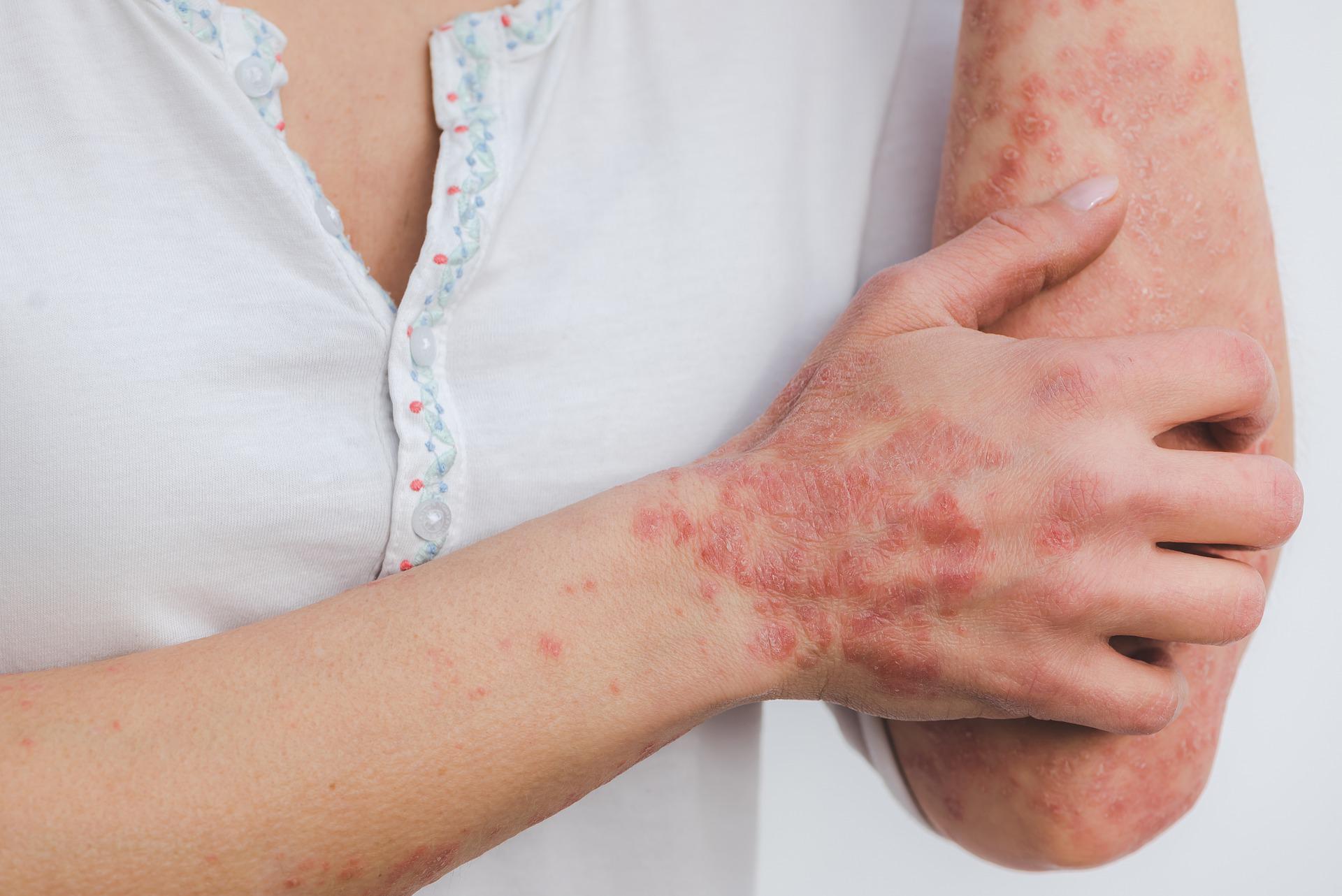
If you’re like me, you’ve probably heard a bit about “inflammation”, but are still wondering what are its causes and effects—and what you can do about it.
If a cut on your skin swells up, turns red, feels hot and hurts, those symptoms are signs of acute, or short-lived, inflammation. Inflammation is a normal part of the body’s defense to injury or infection, and, in this way, it is beneficial. But inflammation is damaging when it occurs in healthy tissues or lasts too long. Known as chronic inflammation, it may persist for months or years, even after the first trigger is gone.
Inflammation plays a key role in many diseases, some of which are becoming more common and severe. Alarmingly, chronic inflammatory diseases contribute to more than half of deaths worldwide, according to one report. So, in short, “yes” you should be worried about inflammation. Inflammation is associated with diseases such as: Autoimmune diseases, like rheumatoid arthritis; Cardiovascular diseases, like high blood pressure and heart disease; Gastrointestinal disorders, like inflammatory bowel disease; Lung diseases, like asthma; Mental illnesses, like depression; Metabolic diseases, like Type 2 diabetes; Neurodegenerative diseases, like Parkinson’s disease and Alzheimer’s disease; Some types of cancer, like colon cancer.
Although intermittent increases in inflammation are critical for survival during physical injury and infection, recent research has revealed that certain social, environmental and lifestyle factors can promote systemic chronic inflammation. Several risk factors include infections, physical inactivity, poor diet, environmental and industrial toxins and psychological stress. Increasing evidence suggests environmental factors contribute to chronic inflammation. Chemicals we commonly encounter may alter molecular pathways that underlie inflammation.
Some lifestyle factors also contribute to inflammation in the body. You may be more likely to develop chronic inflammation if you: Drink alcohol in excess; Have a high body mass index (BMI) that falls within the ranges for obesity; Exercise at your maximum intensity too frequently, or you don’t exercise enough; Experience chronic stress; Smoke.
Other lifestyle factors include:
- Nutrition — Diets high in refined grains, alcohol, and processed foods can alter gut microbiota and lead to intestinal and immune changes.
- Microbiome — Studies of various microbiome imbalances and disease states show connections to inflammation.
- Social and cultural changes — Disrupted sleep patterns, psychosocial stress, artificial light, and other factors influence the immune system.
- Developmental origins — Childhood obesity, psychological stress, exposure to microbes in infancy, and prenatal conditions are linked to inflammation.
- Physical activity — When skeletal muscles contract, they release proteins that can reduce inflammation throughout the body, so lack of physical activity can contribute to inflammation.
You may decrease your risk of chronic inflammation by developing healthy lifestyle habits. Some of these habits include:
- Quit smoking.
- Limit how much alcohol you drink.
- Keep a healthy weight.
- Manage stress.
- Get regular physical activity.
- Try supplements such as omega-3 fatty acids, white willow bark, curcumin, green tea, turmeric, ginger, garlic or capsaicin. Magnesium, zinc and vitamins A, B6, C, D, and E also have some anti-inflammatory effects.
The things you eat and drink can also play a role in inflammation. For an anti-inflammatory diet, include foods like:
- Tomatoes
- Olive oil
- Leafy green vegetables (spinach, collards, kale)
- Nuts (almonds, walnuts)
- Fatty fish (salmon, tuna, sardines, mackerel)
- Fruits (berries, oranges)
These things can trigger inflammation, so avoid them as much as you can:
- Refined carbohydrates (sugar, white bread)
- Fried foods (french fries)
- Sugary drinks (soda)
- Red and processed meats (beef, hot dogs)
- Margarine, shortening, and lard
So, while inflammation is a natural part of our bodies’ response to external threats, chronic inflammation can contribute to a number of life-threatening diseases and conditions. The guidelines for what to do—and what to avoid—to prevent chronic inflammation are similar to other healthy eating and lifestyle rules. So you already know you should be doing these things. If you are not yet, here’s one more reason to start a healthier lifestyle—that just may improve your longevity.
P.S. One of the lifestyle factors mentioned above is the microbiome (gut bacteria). You will probably see a future post on this topic alone since it’s an area of increasing focus and too large a topic to explore fully here.
Leave a Reply