
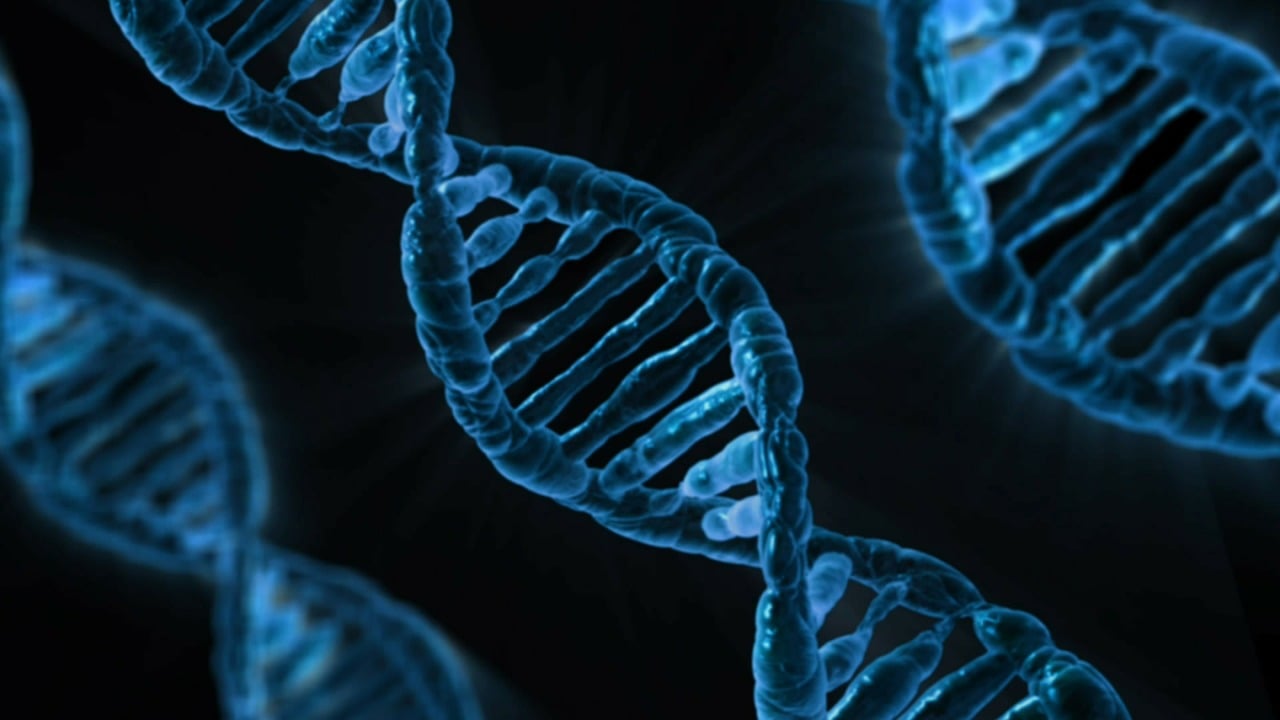
The FOXO3 gene has been the subject of intense research in recent years due to its association with longevity. It is one of the genes that has been linked to the ability of certain individuals to live exceptionally long lives. The FOXO3 gene is located on chromosome 6 and plays a crucial role in regulating cell growth, repair, and death.
Several studies have shown that the FOXO3 gene is linked to longevity. One of the most well-known studies on the subject was conducted by researchers at the University of Hawaii. The study, published in 2008, found that individuals who had a certain variation of the FOXO3 gene lived longer than those who did not have the variation. The variation in question is known as rs2802292 and is located in the intron region of the FOXO3 gene. The study found that individuals who carried the G allele of rs2802292 had a 10% to 12% increased chance of living to 100 years or older compared to those who did not carry the allele.
Another study, published in the journal Nature in 2010, also found a link between FOXO3 and longevity. The study was conducted by researchers at the University of Groningen in the Netherlands and looked at a population of 85-105-year-olds from the Leiden Longevity Study. The study found that individuals who carried the G allele of rs2802292 had a 1.7 times greater chance of reaching 90 years of age than those who did not carry the allele. The study also found that individuals who carried the G allele had a 1.6 times greater chance of reaching 95 years of age than those who did not carry the allele.
In 2014, a study conducted by researchers at the University of Exeter in the UK found that FOXO3 played a key role in regulating the body’s response to stress. The study, which was published in the journal Aging Cell, found that individuals who carried the G allele of rs2802292 had higher levels of the FOXO3 protein in their cells. The researchers also found that these individuals had a greater ability to repair damaged DNA, which is a key factor in aging.
FOXO3 has also been linked to healthspan, which is defined as the length of time an individual remains healthy and free from age-related diseases. In a study published in the journal Aging Cell in 2015, researchers at the University of Copenhagen in Denmark found that individuals who carried the G allele of rs2802292 had a 10% to 20% reduced risk of developing age-related diseases such as cancer, diabetes, and cardiovascular disease. The study also found that these individuals had a longer healthspan than those who did not carry the allele.
Another study, published in the Journal of Gerontology: Biological Sciences in 2018, found that FOXO3 played a crucial role in promoting healthy aging. The study was conducted by researchers at the University of California, San Francisco and looked at a population of elderly individuals who had lived to at least 90 years of age. The study found that individuals who carried the G allele of rs2802292 had a lower risk of developing age-related diseases such as Alzheimer’s disease and osteoporosis.
Exercise has been shown to have a positive effect on the FOXO3 gene. In a study published in the journal PLOS ONE in 2016, researchers at the University of Sydney in Australia found that exercise increased the expression of the FOXO3 gene in healthy adults.
While there is not much we can do about our genes for the time being, it is encouraging that exercise—something we have control over—can positively affect healthy gene expression. And, as gene therapy technologies advance, this could be a key area of focus for improving lifespan and healthspan.
Leave a Reply