
Fad or Fantastic?
Recent advancements in anti-aging research have thrust nicotinamide adenine dinucleotide (NAD+) into the spotlight as a potential longevity powerhouse. NAD+ injections, in particular, claim to combat age-related decline by restoring this critical coenzyme to youthful levels. Emerging preclinical evidence suggests NAD+ plays a central role in DNA repair, mitochondrial function, and cellular resilience, with animal studies demonstrating lifespan extension and reversal of metabolic, cardiovascular, and neurological disorders[1][2][6]. Early human trials report improvements in blood pressure, inflammation, and mitochondrial activity[1][5], but the translation of these findings into proven longevity benefits remains incomplete. While NAD+ restoration therapies show extraordinary potential to address aging at its cellular roots, the current evidence base—though compelling—still requires rigorous validation through long-term clinical studies to determine whether these interventions represent a transformative breakthrough or a transient wellness trend.
The Science of NAD+ and Aging
NAD+ is a coenzyme present in all living cells, serving as a linchpin for energy metabolism, DNA repair, and mitochondrial function. It acts as a substrate for sirtuins, a family of proteins linked to longevity regulation, and facilitates the removal of damaged cellular components through autophagy[4][7]. Aging correlates with a dramatic decline in NAD+ levels—studies in mice show a 50% reduction by midlife[1], while human data suggest similar decreases by age 40–60[5]. This depletion impairs mitochondrial efficiency, reduces cellular repair capacity, and accelerates the accumulation of DNA damage, all hallmarks of aging[2][4][7].
Research in model organisms provides direct evidence of NAD+’s role in longevity. Boosting NAD+ levels in yeast, worms, and mice extends lifespan by up to 30%[2][4], with interventions ranging from NAD+ precursors to genetic modifications that enhance biosynthesis pathways[3][7]. In aged mice, NAD+ restoration reverses metabolic dysfunction, improves muscle stem cell function, and rescues vision loss by regenerating retinal neurons[1][3]. These effects are mediated through sirtuin activation, which enhances mitochondrial biogenesis, reduces oxidative stress, and maintains genomic stability[4][7].
NAD+ Injections: Mechanisms and Advantages Over Oral Supplements
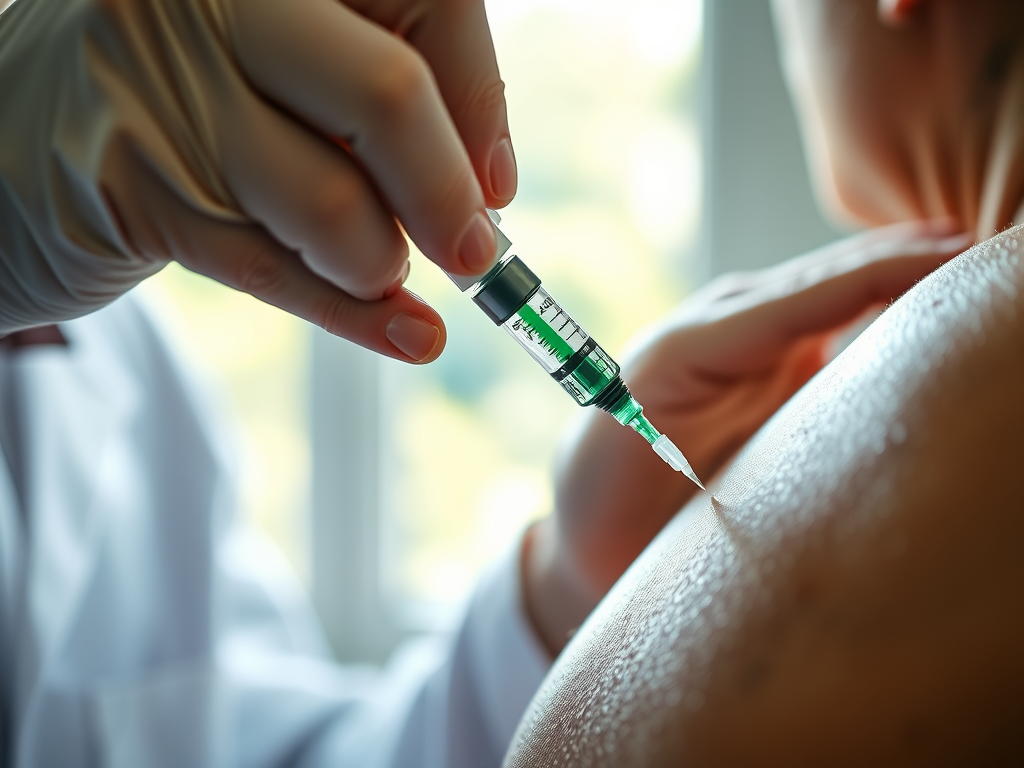
NAD+ injections bypass the gastrointestinal tract, delivering the coenzyme directly into the bloodstream. This method circumvents the bioavailability challenges faced by oral precursors like nicotinamide mononucleotide (NMN) and nicotinamide riboside (NR), which require enzymatic conversion to NAD+—a process that becomes less efficient with age[6]. A 2024 study demonstrated that a novel liposomal NAD+ formulation (SL-NAD+) successfully enters cells intact, increasing intracellular NAD+ levels by 150% within hours[6]. In contrast, NMN and NR typically achieve only 30–50% increases due to metabolic bottlenecks[6].
Proponents argue that injections provide more immediate and sustained NAD+ elevation, potentially enhancing outcomes in age-related conditions. For example, intravenous NAD+ therapy has shown promise in early trials for neurodegenerative diseases, with improved cognitive metrics in Parkinson’s patients[6]. However, robust comparative studies between injection and oral routes remain limited, leaving unanswered questions about optimal dosing and delivery methods.
Clinical Evidence: From Animal Models to Human Trials
Preclinical Successes
Animal studies consistently link NAD+ restoration to healthspan extension. In aged mice, NAD+ repletion:
- Reverses arterial stiffness and improves cardiovascular output[1]
- Restores mitochondrial function in skeletal muscle, increasing endurance by 60%[1]
- Enhances liver regeneration post-injury and reduces fibrosis[1][3]
- Rescues fertility by improving oocyte quality[1]
These effects correlate with reduced biomarkers of aging, including lower inflammatory cytokines and preserved DNA methylation patterns[3][7]. Notably, lifespan extension in mice occurs even when NAD+ boosting begins in late middle age[3], suggesting potential applicability to humans already experiencing age-related decline.
Early Human Data
Preliminary clinical trials report encouraging but modest benefits:
- A 3-week NAD+ precursor regimen reduced interleukin-6 (IL-6) levels by 30% in older males, indicating reduced systemic inflammation[1]
- Heart failure patients showed improved mitochondrial oxygen consumption rates after NAD+ supplementation[1]
- Small cohorts report subjective improvements in cognitive clarity and physical stamina[5]
However, no study has yet demonstrated lifespan extension in humans, and critical questions persist about long-term safety and efficacy. The NIH’s 2025 NAD+ Intervention Trial (NIT), currently enrolling 5,000 participants, aims to address these gaps by assessing 5-year outcomes on cardiovascular health, cognitive function, and biological aging markers[7].
Safety Profile and Practical Considerations
NAD+ injections are generally well-tolerated, with common side effects limited to transient headaches, flushing, and dizziness[5]. Serious adverse events are rare but may include arrhythmias in predisposed individuals. Unlike gene therapies or senolytics, NAD+ restoration works through natural biochemical pathways, reducing theoretical risks of off-target effects[4][7].
Cost remains a significant barrier, with injection protocols ranging from $200–$1,500 per session. Insurance coverage is limited, as the FDA has not yet approved NAD+ therapies for anti-aging indications. Patients must also consider treatment frequency—while some providers recommend weekly sessions, optimal dosing intervals remain undefined by clinical evidence[5][6].
The Verdict: Groundbreaking Potential Tempered by Incomplete Evidence
Current data position NAD+ injections as a scientifically plausible longevity intervention rather than a mere fad. The coenzyme’s central role in aging hallmarks—from mitochondrial dysfunction to epigenetic dysregulation—provides a strong mechanistic foundation[4][7]. Animal studies demonstrating lifespan extension and multi-organ rejuvenation are particularly compelling[1][3], and early human trials, though preliminary, align with these findings[1][5].
However, critical limitations persist:
- Lack of Long-Term Human Data: No studies have tracked NAD+ therapy outcomes beyond 2 years, leaving uncertainties about sustained benefits[5][6]
- Dosing Ambiguities: Optimal NAD+ concentrations for longevity remain undefined, with potential U-shaped risk curves at very high doses[7]
- Systemic Complexity: The NAD+-sirtuin axis interacts with circadian rhythms, immune function, and inter-tissue communication networks[7], creating challenges in isolating specific anti-aging effects
For now, NAD+ injections represent a promising but unproven tool in longevity medicine. Patients seeking evidence-based interventions may prioritize lifestyle modifications (e.g., exercise, circadian alignment) that naturally enhance NAD+ levels[2][4], while early adopters of injection therapy should do so under rigorous medical supervision. As the NIT and similar trials mature over the next decade, we will gain clarity on whether NAD+ restoration truly merits its designation as a “fountain of youth” or remains a compelling hypothesis awaiting full validation.
The path forward requires balancing optimism with scientific rigor. While NAD+ injections may not yet warrant mainstream adoption for longevity, they undeniably represent one of the most biologically grounded strategies in the anti-aging arsenal—a potential game-changer awaiting its definitive clinical trial.
Citations:
[1] https://pmc.ncbi.nlm.nih.gov/articles/PMC9512238/
[2] https://www.vailhealth.org/news/exploring-the-role-of-nad-in-aging-and-longevity
[3] https://biomedgrid.com/fulltext/volume6/the-role-of-nad-in-anti-aging-therapies.001080.php
[4] https://www.nature.com/articles/npjamd201617
[5] https://news.bryant.edu/are-anti-aging-nad-supplements-safe-bryant-expert-unpacks-science-behind-rising-trend
[6] https://www.biospace.com/press-releases/new-study-demonstrates-that-sl-nad-delivers-nad-into-cells
[7] https://www.nature.com/articles/s41514-025-00192-6
[8] https://www.azivmedics.com/how-nad–in-iv-therapy-supports-healthy-aging-and-longevity
[9] https://prohealthmemphis.com/what-is-an-nad-injection-and-who-is-it-good-for/
[10] https://www.mdpi.com/2073-4409/13/21/1799
[11] https://pmc.ncbi.nlm.nih.gov/articles/PMC5419884/
[12] https://www.essence.com/beauty/nad-plus-anti-aging-wellness-supplement/
[13] https://www.medrxiv.org/content/10.1101/2024.06.06.24308565v1.full-text
[14] https://www.nature.com/articles/s41514-023-00134-0
[15] https://www.today.com/health/aging/nad-benefits-rcna180800
[16] https://www.ahajournals.org/doi/10.1161/CIRCULATIONAHA.121.056589
[17] https://www.beyoubioidenticals.com/post/how-nad-injections-support-anti-aging-goals
[18] https://pmc.ncbi.nlm.nih.gov/articles/PMC7494058/
[19] https://www.news-medical.net/health/Do-NAD-Boosters-Help-You-to-Live-Longer.aspx
[20] https://www.nature.com/articles/s41514-023-00134-0
[21] https://wattswellness.net/2025/01/30/maximizing-your-nad-dose-for-optimal-wellness-at-watts/
[22] https://pubmed.ncbi.nlm.nih.gov/29883761/
[23] https://news.cuanschutz.edu/news-stories/can-nad-supplements-fend-off-aging-and-cancer
[24] https://www.today.com/health/aging/nad-benefits-rcna180800
[25] https://news.bryant.edu/are-anti-aging-nad-supplements-safe-bryant-expert-unpacks-science-behind-rising-trend
[26] https://www.verywellhealth.com/what-is-nad-7561299
[27] https://reviveiv814.com/about-revive/f/the-benefits-of-nad-injections-unlocking-vitality-and-longevity
[28] https://www.innerbody.com/best-nad-supplement
[29] https://pmc.ncbi.nlm.nih.gov/articles/PMC9512238/
[30] https://www.theaestheticguide.com/integrated-aesthetics-anti-aging/us-military-to-conduct-clinical-trial-of-anti-aging-pill-next-year
[31] https://www.jinfiniti.com/best-longevity-supplements/
[32] https://www.youtube.com/watch?v=wGOr9cHgLhI
[33] https://www.curefa.org/clinical-studies/nad-and-exercise-in-fa-exrx-in-fa-nicotinamide-riboside-nr/
[34] https://www.globenewswire.com/news-release/2025/02/05/3021075/0/en/Hydreight-Technologies-Expands-Telehealth-Offerings-with-Launch-of-NAD-Therapy-on-VSDHOne-Platform.html
[35] https://academic.oup.com/jes/article/1/7/816/3827720
[36] https://www.naturemedclinic.com/what-is-nad-and-can-it-slow-aging-in-humans/
[37] https://www.verywellhealth.com/nad-iv-therapy-8783961
[38] https://www.youtube.com/watch?v=T1ACcAwn18Q
Leave a Reply