
Quercetin is a flavonoid, a type of plant pigment that is commonly found in fruits and vegetables. It is known for its potent antioxidant and anti-inflammatory properties, making it a popular supplement for a variety of health benefits. In recent years, there has been growing interest in the potential longevity and anti-inflammatory benefits of quercetin, and several studies have been conducted to explore these effects.
Longevity Benefits of Quercetin:
Longevity refers to the ability to live a long and healthy life, free from chronic diseases and disability. Studies have suggested that quercetin may have several anti-aging properties that could help to promote longevity.
In a study published in the journal Ageing Research Reviews, researchers reviewed the evidence for the anti-aging effects of quercetin. They found that quercetin has several properties that could help to slow the aging process, including its ability to reduce oxidative stress and inflammation, improve mitochondrial function, and activate certain longevity-promoting pathways in the body.
Another study, published in the journal Oncotarget, investigated the effects of quercetin on lifespan and healthspan in fruit flies. The researchers found that supplementing the flies’ diet with quercetin led to a significant increase in lifespan, as well as improvements in healthspan markers such as climbing ability and resistance to stress.
Anti-Inflammatory Benefits of Quercetin:
Inflammation is a normal response of the body to injury or infection, but chronic inflammation has been linked to a variety of chronic diseases, including heart disease, diabetes, and cancer. Quercetin has been shown to have potent anti-inflammatory properties that could help to reduce the risk of these diseases.
A study published in the journal Inflammation Research investigated the effects of quercetin on inflammation in human subjects. The researchers found that supplementing with quercetin led to significant reductions in several markers of inflammation, including C-reactive protein (CRP) and interleukin-6 (IL-6).
Another study, published in the journal Nutrition Research, investigated the effects of quercetin on inflammation in obese individuals. The researchers found that supplementing with quercetin led to significant reductions in several markers of inflammation, as well as improvements in insulin sensitivity and blood lipid levels.
In a study published in the journal Biochemical Pharmacology, researchers investigated the anti-inflammatory effects of quercetin on human colon cancer cells. They found that quercetin was able to significantly reduce the production of pro-inflammatory cytokines and chemokines, suggesting that it may have potential as a treatment for inflammatory bowel disease.
Other Potential Benefits of Quercetin:
In addition to its potential longevity and anti-inflammatory benefits, quercetin has been studied for its effects on a variety of other health conditions.
A study published in the Journal of Clinical Endocrinology & Metabolism investigated the effects of quercetin on exercise performance and muscle strength in young men. The researchers found that supplementing with quercetin led to significant improvements in exercise performance, as well as increases in muscle strength.
Another study, published in the journal Clinical Nutrition, investigated the effects of quercetin on blood pressure in overweight and obese subjects. The researchers found that supplementing with quercetin led to significant reductions in both systolic and diastolic blood pressure.
A study published in the journal Phytotherapy Research investigated the effects of quercetin on allergic rhinitis, a common condition characterized by inflammation of the nasal passages. The researchers found that supplementing with quercetin led to significant reductions in several markers of inflammation and improved symptoms of allergic rhinitis.
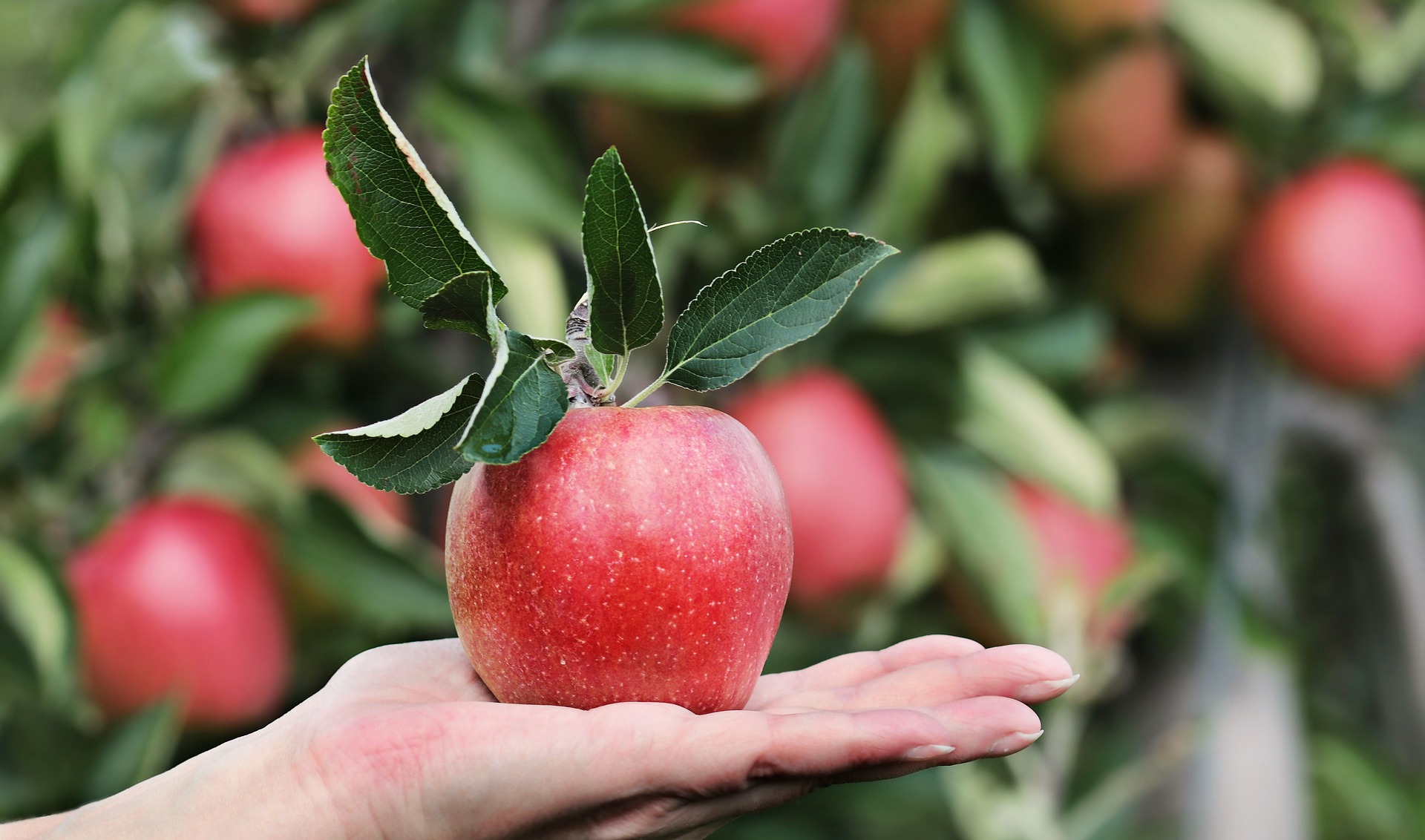
Quercetin is a natural plant compound found in apples, onion, raspberries, red grapes, and cherries with potent antioxidant and anti-inflammatory properties. If you are not eating enough of these foods, you may want to consider a supplement to get all of the potential benefits listed above—including increased longevity.
Leave a Reply