
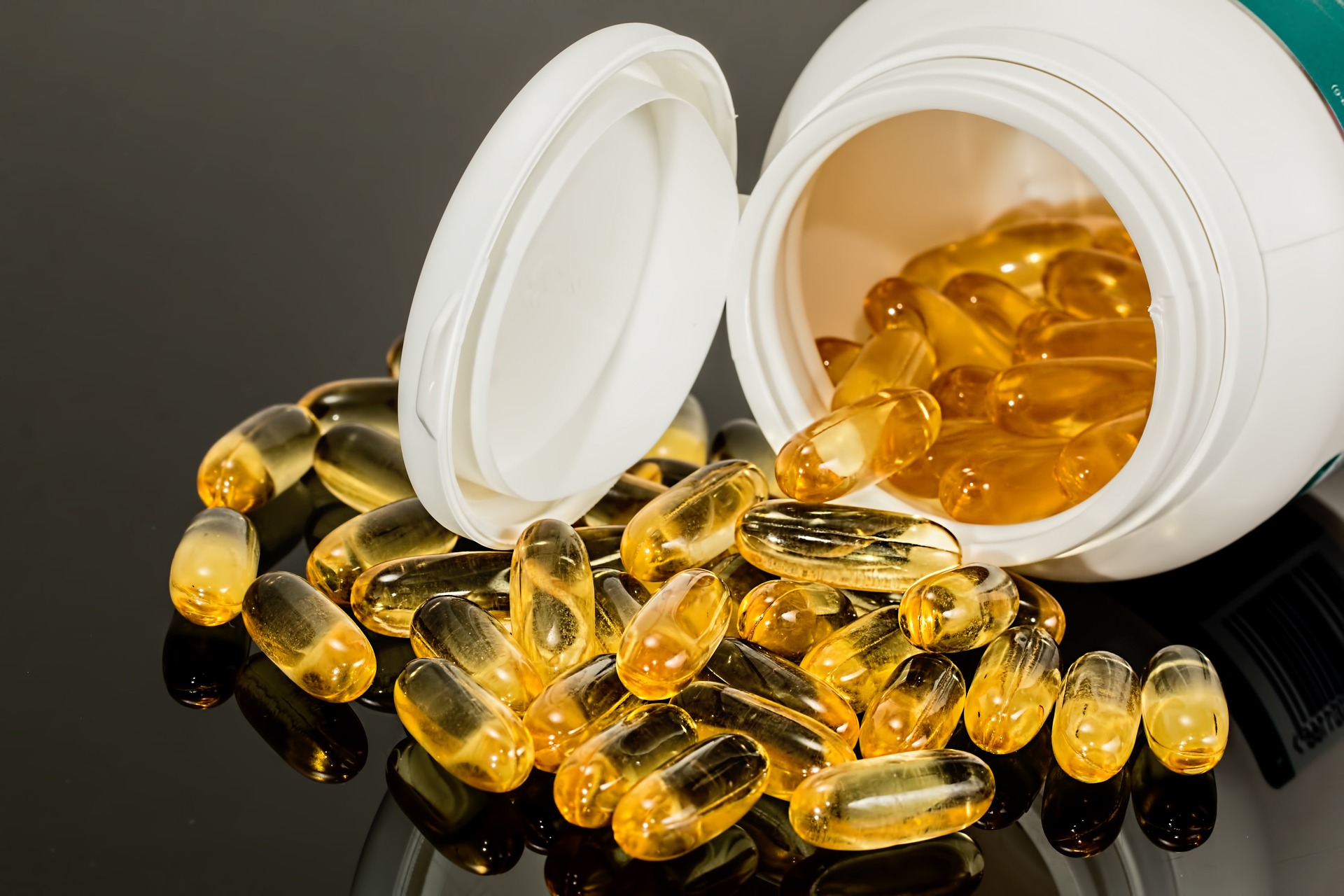
NMN, or nicotinamide mononucleotide, is a molecule that has recently garnered significant attention for its potential anti-aging properties. NMN is a precursor to NAD+, which is a coenzyme that plays a critical role in various cellular processes, including DNA repair, metabolism, and energy production. In this article, we will explore the science behind NMN, its role in longevity, and the evidence supporting its use as an anti-aging molecule.
NMN and NAD+ are essential molecules that decline with age, which is why researchers are interested in understanding the relationship between NMN and longevity. As we age, the levels of NAD+ decrease, which affects mitochondrial function and leads to a decline in energy production. Studies have shown that increasing NAD+ levels can improve mitochondrial function, increase lifespan, and improve age-related diseases.
NMN is a molecule that can be converted into NAD+ in the body, making it an attractive candidate for anti-aging interventions. Several studies have investigated the effects of NMN on various aspects of aging, including mitochondrial function, metabolism, and inflammation.
One study published in Cell Metabolism in 2016 investigated the effects of NMN on aging in mice. The researchers found that NMN administration improved several physiological and biochemical parameters associated with aging, including mitochondrial function, insulin sensitivity, and physical activity. Additionally, the researchers found that NMN administration increased NAD+ levels, which improved the healthspan of the mice.
Another study published in Nature Communications in 2019 investigated the effects of NMN on metabolic health in overweight and obese men. The study found that NMN supplementation improved insulin sensitivity and beta-cell function, indicating a potential role for NMN in the treatment of metabolic disorders.
The evidence supporting the use of NMN as an anti-aging molecule is growing, but it is essential to consider the limitations of the current research. Most studies investigating the effects of NMN on aging have been conducted in animal models, which may not translate to humans. Additionally, the long-term safety of NMN supplementation has not been established, and more research is needed to determine the optimal dosage and duration of NMN supplementation.
Despite these limitations, NMN is a promising anti-aging molecule that has the potential to improve age-related diseases and increase lifespan. NMN is a stable and reliable NAD+ activator that has been shown to improve mitochondrial function, metabolism, and inflammation in animal models and humans. The current evidence suggests that NMN may be an effective anti-aging intervention.
NMN is a molecule that has the potential to improve aging-related diseases and increase lifespan. The evidence supporting the use of NMN as an anti-aging molecule is growing, but more research is needed to determine the optimal dosage and duration of NMN supplementation. Despite the limitations of the current research, NMN is a promising anti-aging molecule that has the potential to improve the healthspan and lifespan of humans. NMN is available in supplements today, making it an intriguing possibility to add to your daily regimen.
Leave a Reply