
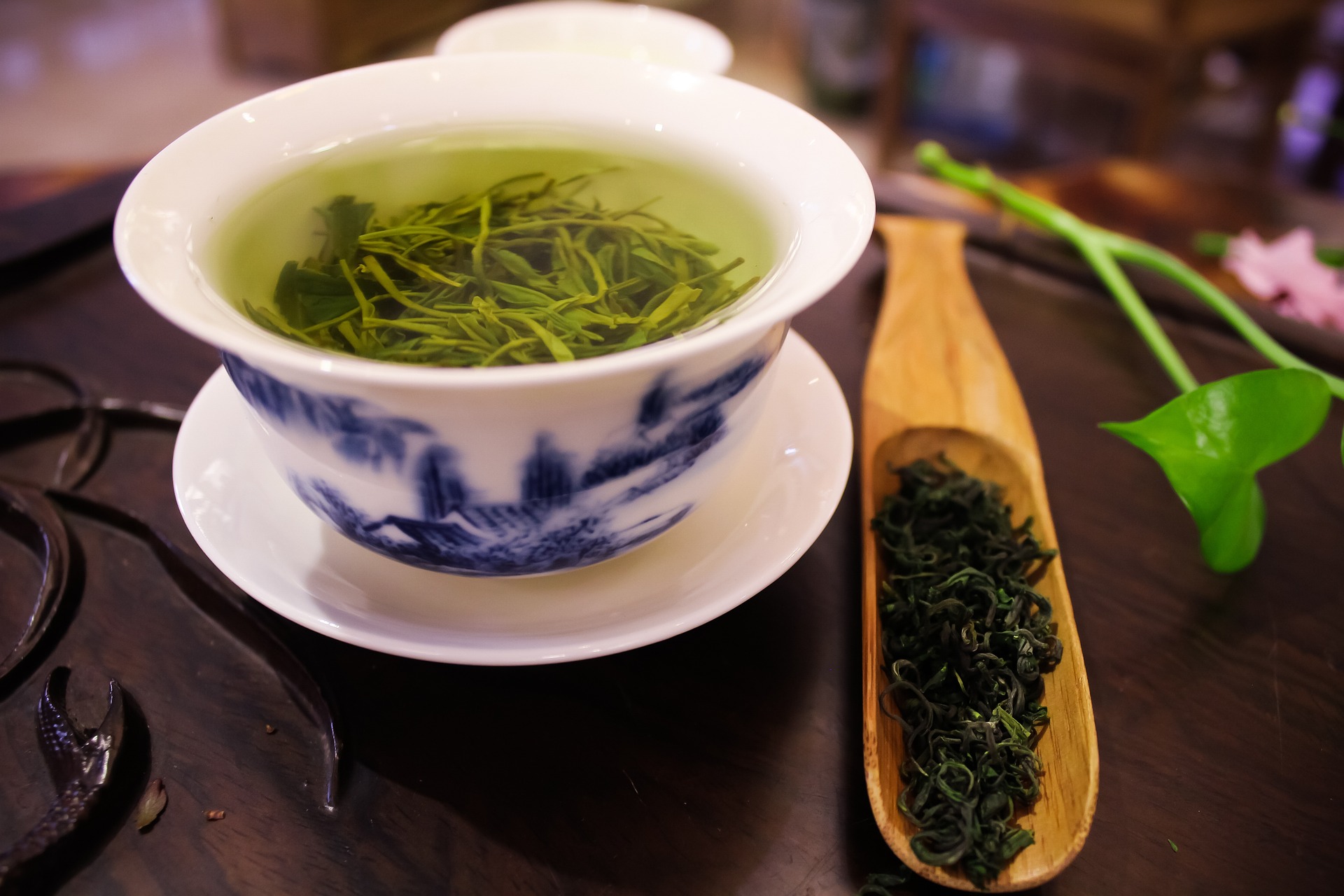
Green tea has been consumed for thousands of years in China and other parts of Asia, and it has long been associated with numerous health benefits, including improved heart health, weight loss, and better brain function. In recent years, researchers have become increasingly interested in the potential link between green tea and longevity, with studies suggesting that regular consumption of green tea may help promote a longer, healthier life.
Green tea is rich in a type of polyphenol called catechins, which are known for their potent antioxidant and anti-inflammatory properties. These compounds may help protect the body against a range of diseases and conditions, including cardiovascular disease, cancer, and neurodegenerative diseases.
Several studies have explored the potential link between green tea consumption and longevity. One such study, published in the Journal of the American Medical Association in 2006, followed over 40,000 Japanese adults for 11 years and found that those who drank five or more cups of green tea per day had a significantly lower risk of death from all causes, including cardiovascular disease and cancer, compared to those who drank less than one cup per day.
Another study, published in the British Journal of Nutrition in 2015, followed over 14,000 older adults in China for an average of five years and found that those who drank green tea regularly had a significantly lower risk of all-cause mortality compared to those who did not drink green tea. The researchers also found that the protective effect of green tea was particularly strong for women and for individuals with a history of cardiovascular disease.
A 2013 study published in the American Journal of Clinical Nutrition looked at the relationship between green tea consumption and mortality in a large sample of older adults in Japan. The study followed over 13,000 individuals for an average of 6.3 years and found that those who drank five or more cups of green tea per day had a significantly lower risk of death from all causes, including cardiovascular disease, compared to those who drank less than one cup per day.
Other studies have also suggested a link between green tea consumption and longevity. A 2017 study published in the Journal of Nutritional Biochemistry found that green tea extract improved lifespan and healthspan in fruit flies by reducing oxidative stress and inflammation. A 2014 study published in the Journal of Medicinal Food found that green tea consumption was associated with a lower risk of all-cause mortality in a large sample of Chinese adults.
While these studies suggest a potential link between green tea consumption and longevity, it is important to note that the evidence is still limited, and more research is needed to fully understand the relationship. It is also important to consider other factors that may influence longevity, such as genetics, lifestyle factors like diet and exercise, and access to healthcare.
Despite these limitations, the potential link between green tea consumption and longevity is intriguing and warrants further investigation. If future research confirms this relationship, it could offer a simple and affordable way to promote a longer, healthier life. If you’re looking to incorporate green tea into your diet, consider drinking it hot or cold, or adding green tea powder to smoothies or other beverages. I have added regular consumption of cold green tea to my routine and hope to reap the potential benefits.
Leave a Reply