
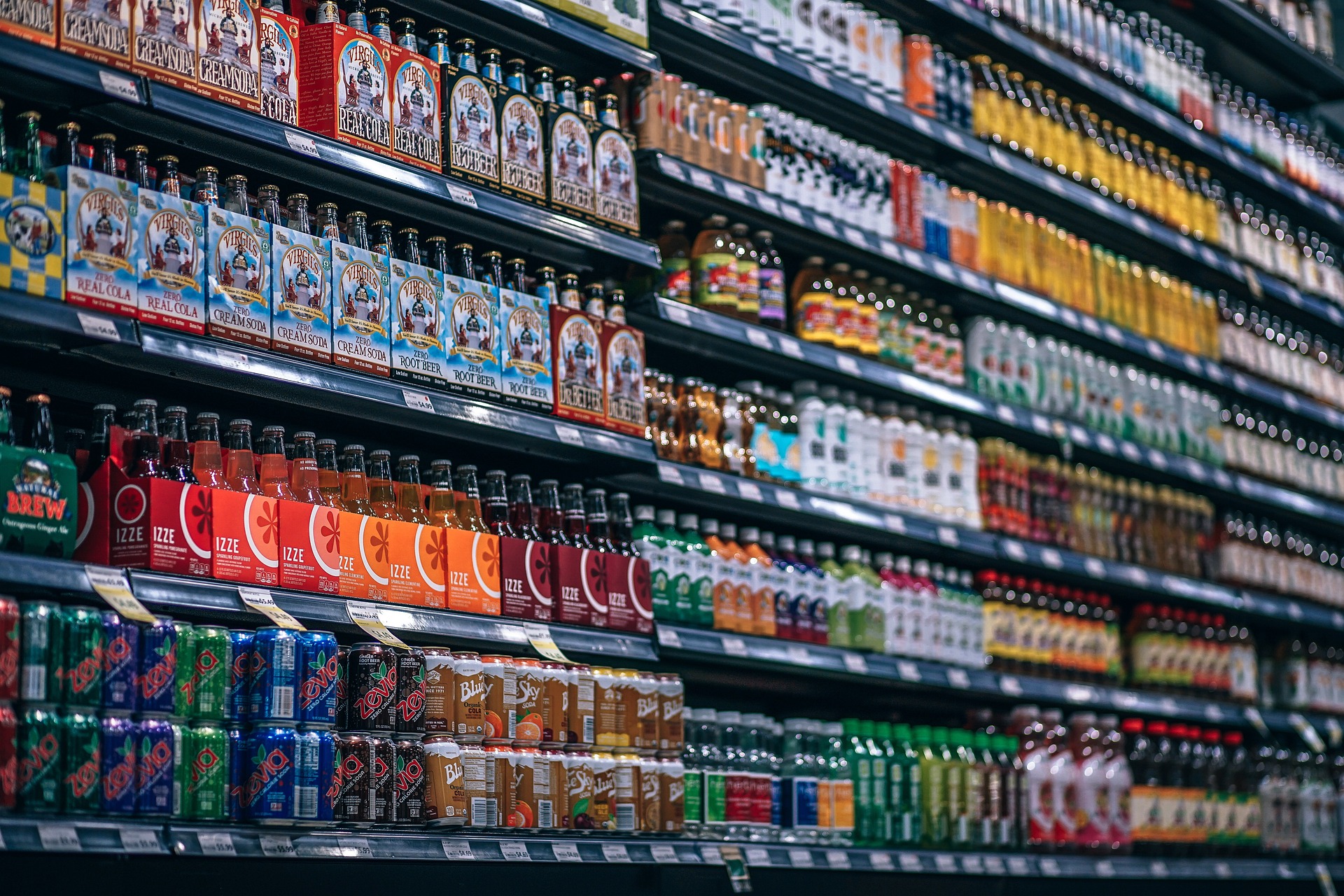
The World Health Organization (WHO) recently released a new guideline recommending against the use of non-sugar sweeteners for weight control purposes. The guideline, based on an extensive review of scientific evidence, aims to provide clarity and guidance to individuals seeking to manage their weight.
Non-sugar sweeteners, also known as artificial sweeteners or low-calorie sweeteners, have gained popularity in recent years as a potential alternative to sugar for weight management. These sweeteners are widely used in a variety of food and beverage products, including diet sodas, sugar-free candies, and low-calorie desserts. The WHO guideline aims to address concerns regarding the effectiveness and safety of non-sugar sweeteners in weight control efforts.
Key Recommendations:
- Limited Evidence of Effectiveness: The WHO guideline highlights that there is limited evidence to suggest that non-sugar sweeteners effectively aid in weight control. While these sweeteners may offer a reduced calorie alternative to sugar, their impact on long-term weight management remains uncertain. The guideline advises individuals to focus on overall dietary patterns, including the consumption of a balanced and nutritious diet, rather than relying solely on non-sugar sweeteners.
- Potential Adverse Effects: The guideline also raises concerns about the potential adverse effects associated with the consumption of non-sugar sweeteners. Some studies have suggested that these sweeteners may have metabolic effects, leading to weight gain, disruption of gut microbiota, and increased risk of metabolic disorders such as diabetes. However, more research is needed to establish conclusive evidence regarding these potential harms.
- Importance of Water and Healthy Beverages: The WHO emphasizes the significance of water and healthy beverage choices in weight management. It recommends that individuals consume an adequate amount of water and opt for beverages such as unsweetened tea or coffee, rather than relying on non-sugar sweetened drinks. Water and healthier beverages can contribute to overall hydration and may help reduce calorie intake without the potential risks associated with non-sugar sweeteners.
- Psychological Aspects of Sweetness: The guideline acknowledges the role of sweetness in our diets and recognizes that non-sugar sweeteners may be appealing to individuals seeking to reduce their sugar intake. However, it also highlights the importance of addressing psychological aspects of sweetness. Over-reliance on non-sugar sweeteners may perpetuate cravings for sweet foods, potentially leading to overconsumption of sugary foods in the long run.
- Individualized Approach: The WHO emphasizes that weight control strategies should be individualized, taking into account factors such as personal preferences, cultural norms, and health conditions. While the guideline advises against using non-sugar sweeteners as a standalone weight management tool, it acknowledges that certain individuals, such as those with diabetes, may benefit from the judicious use of these sweeteners to control blood sugar levels.
Even before this report, there was mounting evidence that artificial sweeteners were neither safe nor effective. This is a hard idea for me to accept. In the recent past, I was drinking multiple diet sodas a day. After seeing some of the research, however, I decided to make the switch to naturally unsweetened beverages. I now drink primarily water and coffee, with some cold green tea and seltzer. This official statement is further incentive to stick with that choice.
Leave a Reply