
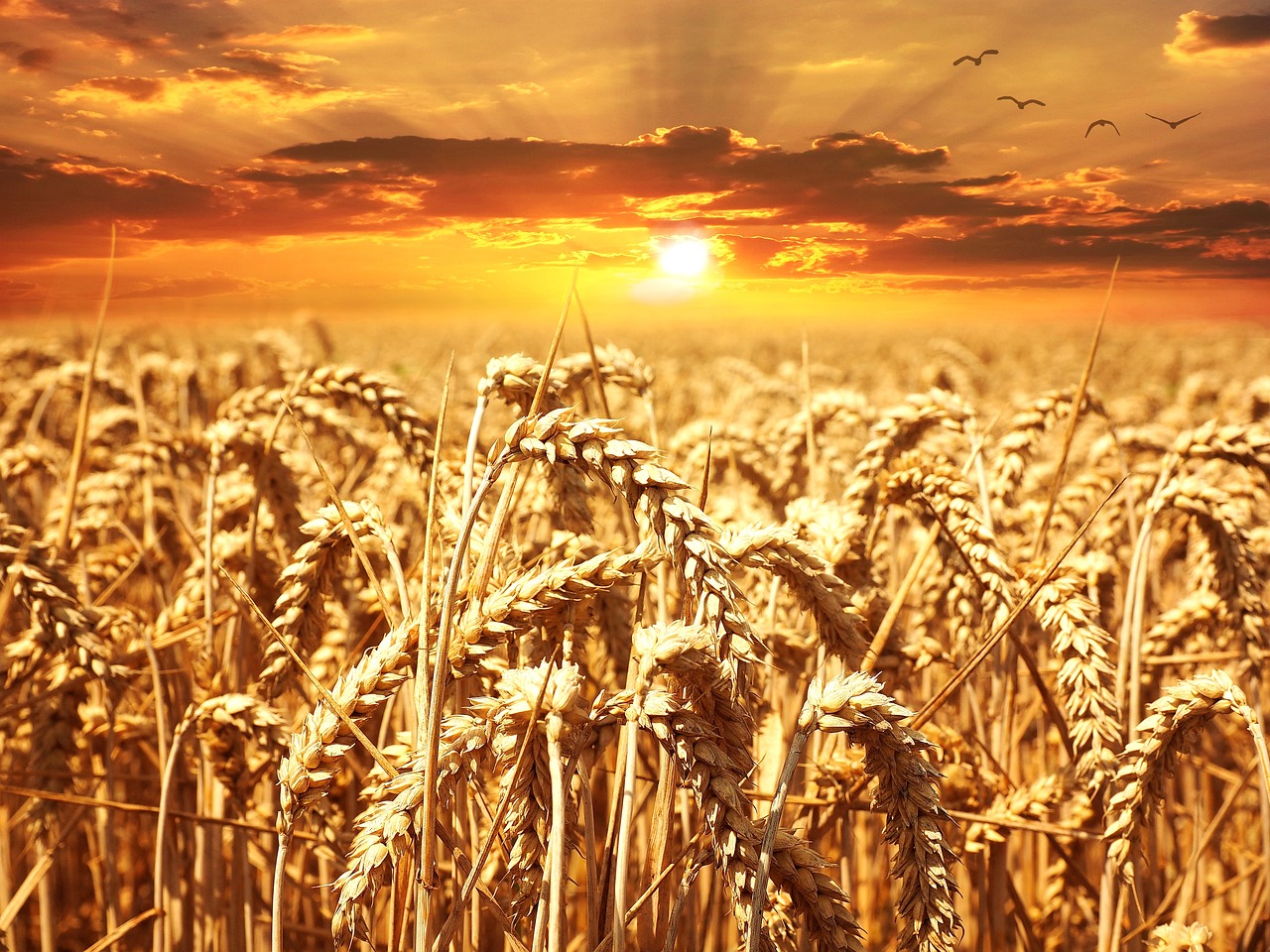
Fiber is an essential component of a healthy diet, offering a wide range of health benefits. Found in plant-based foods, fiber plays a crucial role in supporting digestive health, maintaining a healthy weight, and reducing the risk of various chronic diseases. This article explores the health benefits of fiber, good sources of fiber, and the recommended daily intake.
Health Benefits of Fiber
- Digestive Health: Fiber is well-known for promoting regular bowel movements and preventing constipation. It adds bulk to the stool, making it easier to pass through the digestive system. Additionally, fiber can help prevent diverticulitis and hemorrhoids by keeping the digestive tract healthy.
- Weight Management: High-fiber foods tend to be more filling, which can help control appetite and reduce overall calorie intake. By promoting a feeling of fullness, fiber can contribute to weight management and support weight loss efforts.
- Heart Health: Studies have shown that a high-fiber diet can help lower cholesterol levels, specifically low-density lipoprotein (LDL) or “bad” cholesterol. By reducing LDL cholesterol, fiber can lower the risk of heart disease and stroke.
- Blood Sugar Control: Soluble fiber, found in foods such as oats, barley, and legumes, can help regulate blood sugar levels by slowing the absorption of sugar. This can be beneficial for individuals with diabetes or those at risk of developing the condition.
- Gut Health: Certain types of fiber serve as prebiotics, providing nourishment for beneficial gut bacteria. A healthy balance of gut bacteria is essential for overall gut health and immune function.
- Cancer Prevention: Some studies suggest that a high-fiber diet may help reduce the risk of colorectal cancer. Fiber may also play a role in reducing the risk of other types of cancer, although more research is needed in this area.
Good Sources of Fiber
Numerous plant-based foods are excellent sources of dietary fiber. Some of the best sources include:
- Fruits: Berries, apples, pears, oranges, and bananas.
- Vegetables: Broccoli, carrots, Brussels sprouts, spinach, and kale.
- Legumes: Lentils, chickpeas, black beans, and peas.
- Whole Grains: Oats, quinoa, brown rice, whole wheat bread, and barley.
- Nuts and Seeds: Almonds, chia seeds, flaxseeds, and sunflower seeds.
Recommended Daily Intake
The recommended daily intake of fiber varies by age and gender. According to the Academy of Nutrition and Dietetics, the following daily fiber intake guidelines are recommended:
- Adult men under 50: 38 grams
- Adult men over 50: 30 grams
- Adult women under 50: 25 grams
- Adult women over 50: 21 grams
It’s important to increase fiber intake gradually and drink plenty of water to prevent digestive discomfort. By incorporating a variety of fiber-rich foods into the diet, individuals can reap the numerous health benefits associated with this essential nutrient. Given the multitude of health benefits, I try to get as much fiber as possible. Nearly all Americans don’t get enough fiber in their diets. In addition to trying to eat a lot of fruits and vegetables, I supplement with glucomannan and psyllium husk and add chia seeds to my occasional smoothies. Are you getting enough fiber? Your longevity may depend on it!
Leave a Reply