
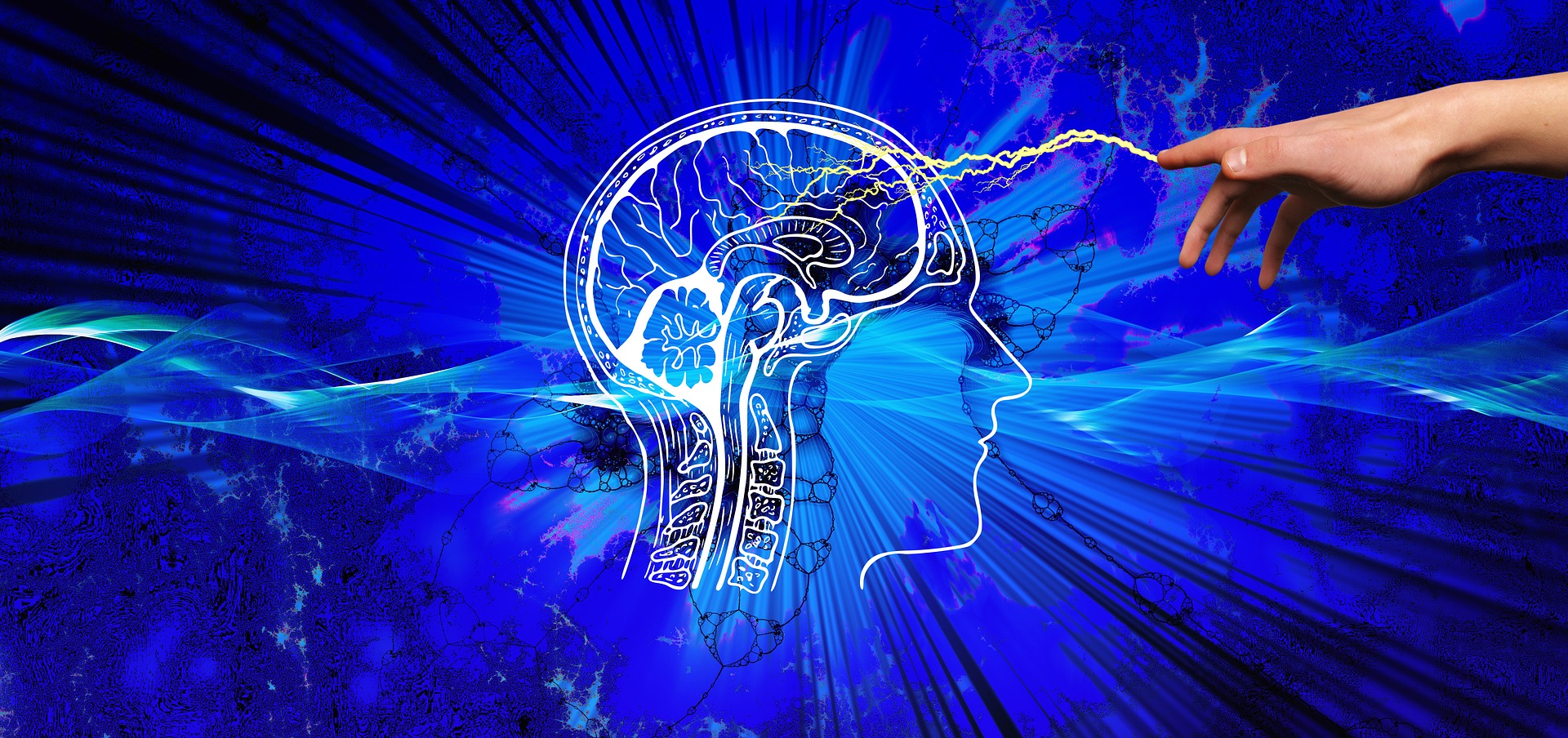
Neuroplasticity, also known as brain plasticity, refers to the brain’s remarkable ability to adapt, change, and reorganize itself throughout life. This phenomenon challenges the traditional notion that the brain’s structure and function are fixed in adulthood, highlighting the brain’s incredible capacity for growth and transformation. This article explores the concept of neuroplasticity, its relation to brain age, and strategies to enhance and harness this adaptive potential.
What is Neuroplasticity?
Neuroplasticity encompasses the brain’s ability to rewire neural pathways, form new connections between neurons, and even generate new brain cells (neurogenesis). These processes occur in response to learning and experience, as well as in adaptation to injury, environmental changes, and development. Neuroplasticity is a fundamental mechanism underlying learning and memory, as well as recovery from brain injury and the effects of aging.
Relation to Brain Age
The concept of brain age refers to the functional and structural characteristics of the brain that may reflect its “youthfulness” or “aging.” Neuroplasticity plays a crucial role in influencing brain age, as it offers the potential for ongoing growth, learning, and adaptation regardless of chronological age. Through the stimulation of neuroplasticity, individuals can promote cognitive vitality, maintain mental acuity, and potentially mitigate age-related cognitive decline.
Ways to Increase Neuroplasticity
Several strategies have been identified to enhance and leverage neuroplasticity, offering individuals the opportunity to optimize their brain’s adaptive potential:
- Lifelong Learning: Engaging in intellectually stimulating activities such as learning a new language, musical instrument, or pursuing educational courses can promote neuroplasticity by challenging the brain to form new connections and adapt to novel stimuli.
- Physical Exercise: Regular physical activity has been shown to support neuroplasticity by promoting the release of neurotrophic factors, which aid in the growth and survival of neurons. Both aerobic exercise and strength training contribute to brain health and plasticity.
- Mental Stimulation: Puzzles, crosswords, strategy games, and other mentally challenging activities provide cognitive stimulation that can enhance neuroplasticity and support cognitive function.
- Social Engagement: Meaningful social interactions and relationships have been linked to improved cognitive function and may contribute to neuroplasticity by providing ongoing mental stimulation and emotional support.
- Mindfulness and Meditation: Mindfulness practices and meditation have been associated with structural and functional changes in the brain, promoting neuroplasticity and emotional regulation.
- Balanced Nutrition: Consuming a diet rich in antioxidants, omega-3 fatty acids, and other brain-healthy nutrients can support neuroplasticity and cognitive function.
- Quality Sleep: Adequate sleep is essential for overall brain health, memory consolidation, and the facilitation of neuroplasticity processes.
By incorporating these strategies into daily life, individuals can actively support and enhance neuroplasticity, fostering a resilient and adaptable brain that is primed for ongoing growth, learning, and cognitive vitality. The idea that we have to experience mental decline as we age is a fallacy. We can engage in a variety of activities that stimulate the brain and keep it youthful throughout our lives.
Leave a Reply